
How a Bus Driver Had the Idea That Won a Nobel Prize
In 1961, two small proteins from crystal jellyfish that produced blue-green light were discovered.
One glowed blue when binding to calcium, while the other absorbed this blue light and glowed green itself.
An American scientist called Douglas Prasher, who was working on jellyfish at the time, hypothesized that one could use the latter protein for imaging purposes.
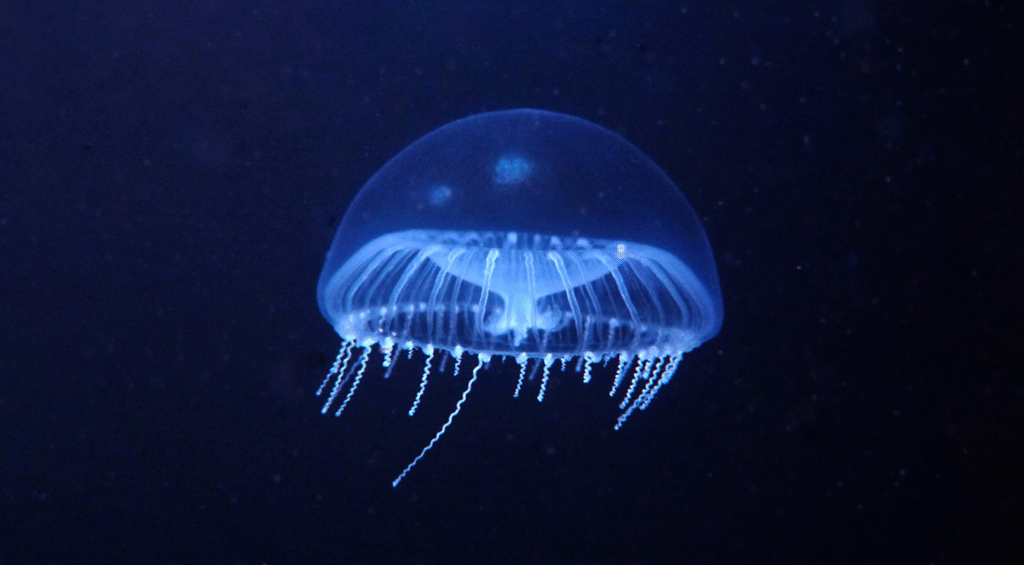
Link it to another protein, and it should glow green when blue light is shone on it. This was the birth of GFP in biochemistry.
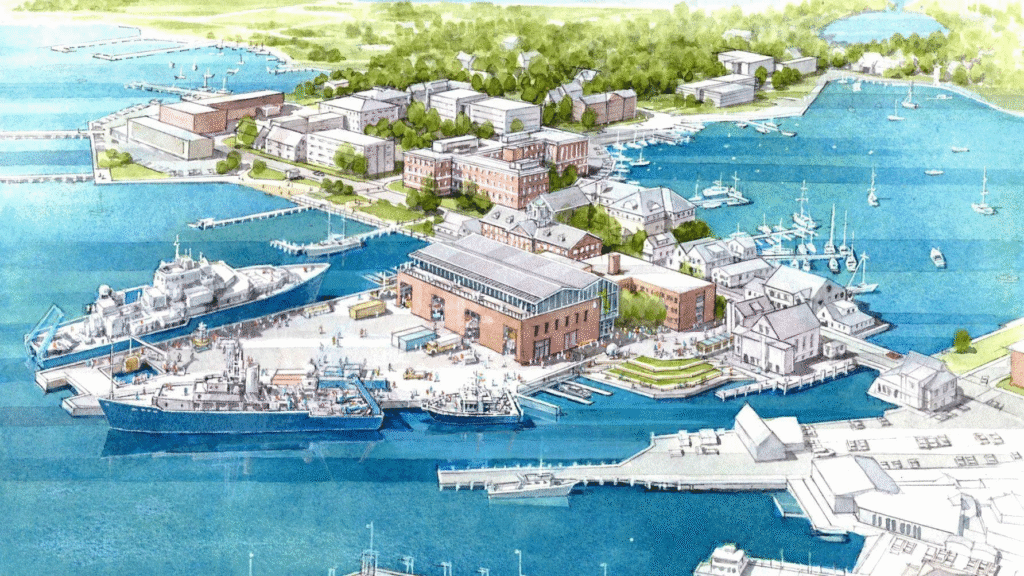
However, this was the 1980s. You had to find the DNA – without sequencing. That meant isolating the tissue of the jellyfish that produced GFP and extracting the DNA.
In 1987, this American scientist took on the challenge.
Searching for GFP’s Sequence
So: catch jellyfish and isolate the glowing tissue. Then, identify the right DNA.
The science behind it was quite laborious. Especially for all our younger readers, here is how it worked: you would take the protein form of GFP and cut it at methionine residues with cyanogen bromide (CNBr). You would sequence it via Edman degradation (labeling the free N-terminal amino acid, removing it, and analyzing it via HPLC).
From there, you would know the amino acid sequence and could theorize which underlying DNA sequence encoded it. However, at the time, you couldn’t just synthesize long DNA sequences as you liked, so you needed to find the right stretch in the jellyfish DNA.
Therefore, you would construct cDNA libraries: snippets of expressed genes, meaning DNA copies of mRNA, inserted into bacterial plasmids or phages. You would work with probes that bind to these fragments. Then, you would sequence them and search for the correct match. Once you found it, you could excise the piece with restriction enzymes and replicate it through bacteria or PCR.
To do all of that, Prasher apparently had to cut open more than 10,000 jellyfish!
He humorously described the look of his work as a bucket of “translucent linguini.”
Great Highs And Big Struggles
At some point, he received an important call.
It came from a biologist at Columbia University – Martin Chalfie. He also had the idea to track proteins via GFP and asked Prasher for the sequence. However, at the time, Prasher had not yet obtained the GFP DNA sequence, but he promised to reach out once he did.
A little later, Prasher called back, but Chalfie was on sabbatical. A student took the call and said he would forward the message. He never did.
In the meantime, however, Prasher succeeded. He published his work in 1992.
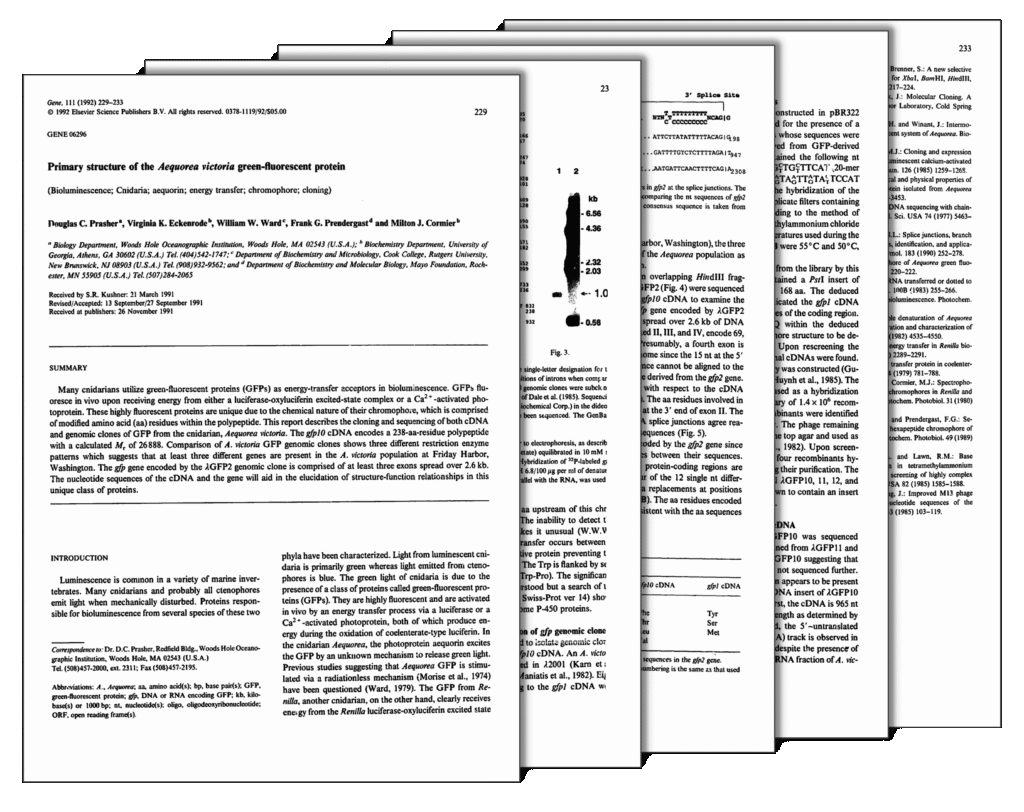
He went on to turn his findings into an application. Expressing GFP in bacteria was now possible.
But there was an issue: the GFP didn’t glow.
He tried various bacterial strains—it didn’t improve.
However, his institute was focused on marine biology, and among his colleagues, he was essentially an outcast.
There was nobody to help him, and many looked at him with doubt.
He simply couldn’t figure it out. At some point, Prasher’s grant ran out.
And No One Came to Help
He applied elsewhere, for example at the NIH, but was rejected.
His frustration grew to the point where he was genuinely miserable. This, combined with the need to support his family, made him stop.
He went on to work for the USDA, fighting agricultural pests. Later, he worked for NASA. But both projects eventually lost their funding.
Prasher ended up as a bus driver for Toyota, shuttling customers.
However, apart from this paper, something happened in 1992 that would change the fate of biology.
Shortly after his paper was published, Prasher got another call from Chalfie.
The Science Lives On
He was back from his sabbatical, had seen the paper, and was frustrated that Prasher hadn’t told him. Both later understood what had happened. However, at that time, Prasher had already run out of grant money. Chalfie asked him to share the sequence so he could continue the work.
Prasher still deeply believed in GFP. He sent the sequence to Chalfie.
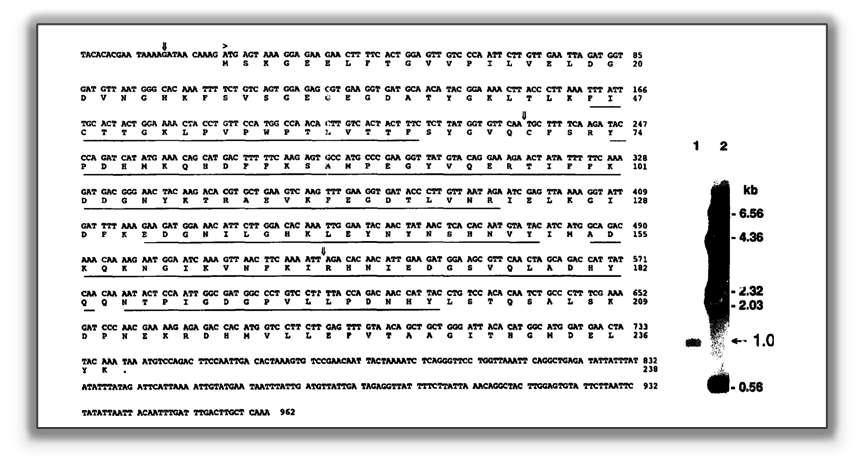
He also sent a copy to Roger Tsien in San Diego, who had contacted him as well.
According to Prasher, it wasn’t pressure but the hope that GFP would reach its full potential that drove him. Sharing his work upon ending his career caused a strange feeling, but he went with it.
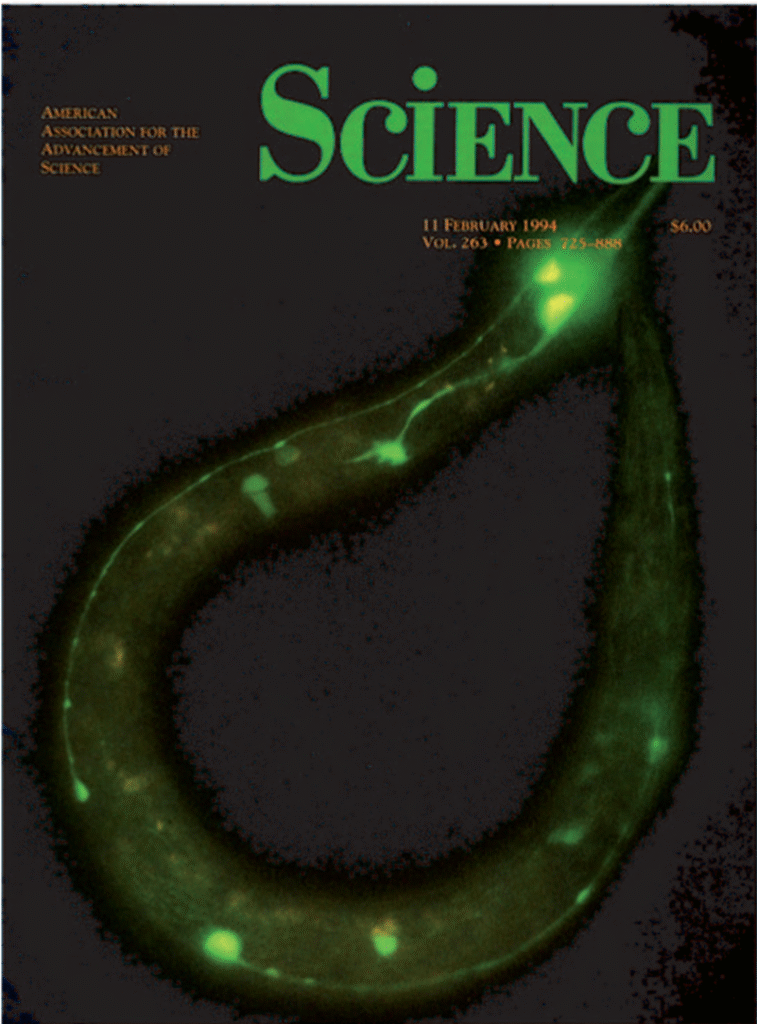
And indeed, Martin Chalfie and his PhD student Ghia Euskirchen made GFP glow.
The key was a different approach. It seems that the restriction enzymes Prasher had used left an overhang. Chalfie and Euskirchen found the correct enzymes. They made GFP glow – first in bacteria, then in worms.
For this, they were featured on the front page of Science.
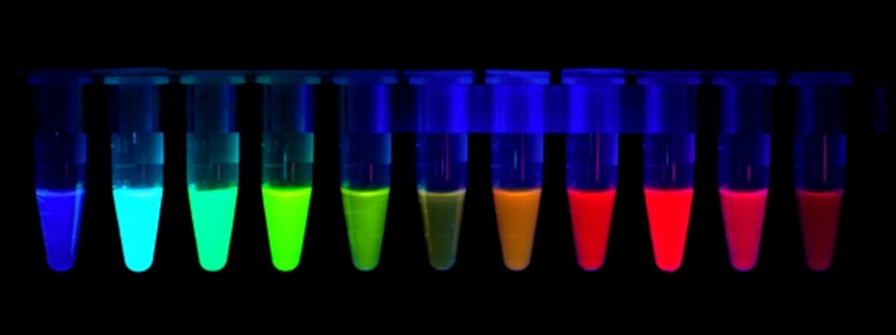
Meanwhile, Roger Tsien also advanced the field. He was the one who modified GFP to glow cyan, red, or yellow by altering one of three essential amino acids. Additionally, he helped increase GFP’s fluorescent signal.
Then came 2008.
A Nobel Prize
The Nobel Prize committee announced three winners: Chalfie, Tsien, and Osamu Shimomura, who had originally isolated the GFP protein.
No Prasher.
He heard about it on the radio.
His feelings were mixed. On the one hand, he was disappointed and angry. The Nobel Prize can only be shared among three scientists, and he wasn’t mad at the other scientists, whose work he appreciated. He was more frustrated with how life had apparently treated him.
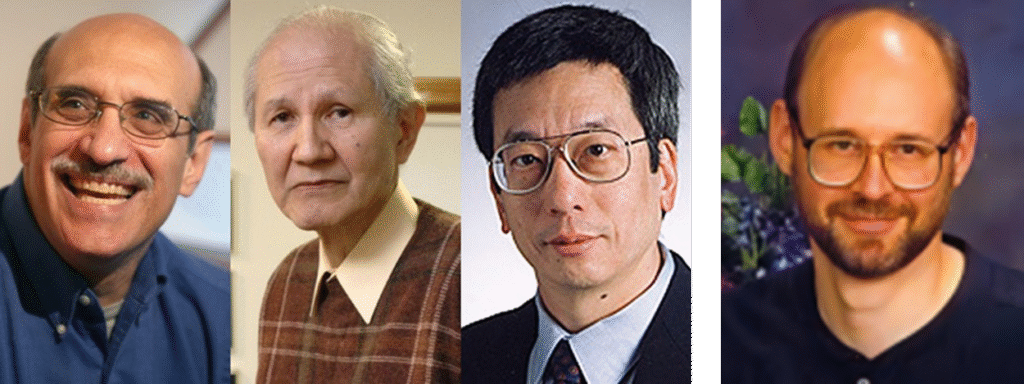
On the other hand, he was proud. In the end, it was his vision that had proven correct. Although he couldn’t continue his research, it was also thanks to him that GFP was used in laboratories all around the world.
Furthermore, he had genuinely enjoyed his job at NASA, and even being a shuttle driver had its advantages. He described science as a very lonely pursuit, whereas in his other jobs, he was able to socialize much more.
Nevertheless, the story has another twist.
The Lasting Lesson
In the end, Prasher never lost his passion for research, and Tsien even offered him a position in his lab.
At first, Prasher declined.
Perhaps it was pride, but he also said he wasn’t sure whether he had missed too much during his time away.
Eventually, however, he agreed, working in Tsien’s lab from 2012 to 2015.
All three Nobel laureates thanked Prasher in their speeches, and Chalfie even stated they could have left him out in favor of Prasher.
However, all of this shows that you should never give up on your dreams.
Remember: just about three hours after Carol Greider received the news that she had been awarded the Nobel Prize, she also learned that her grant had been rejected – it was even deemed “not worthy of discussion.”
It won’t always be easy, but sometimes you simply have to persevere.
In 1992, Nature rejected a paper by Peter Ratcliffe. It was the paper that would later earn him a Nobel Prize.
If you believe in something, go for it.
If you want to read even more about Prasher’s story, this article contains additional details.
Created by Patrick Penndorf – Connect via LinkedIn
Join our Weekly Educational Series.